

Finding my Style and Growing a Following
(Illustration Journey Part Three) Working during the pandemic, moving to NYC, figuring out my style, and growing a social media audience.

This is part 3. You can read part 2 here, or go back to part 1.
Being that my last day of work was technically Dec 31, 2019, I guess you could say I quit right before the pandemic.
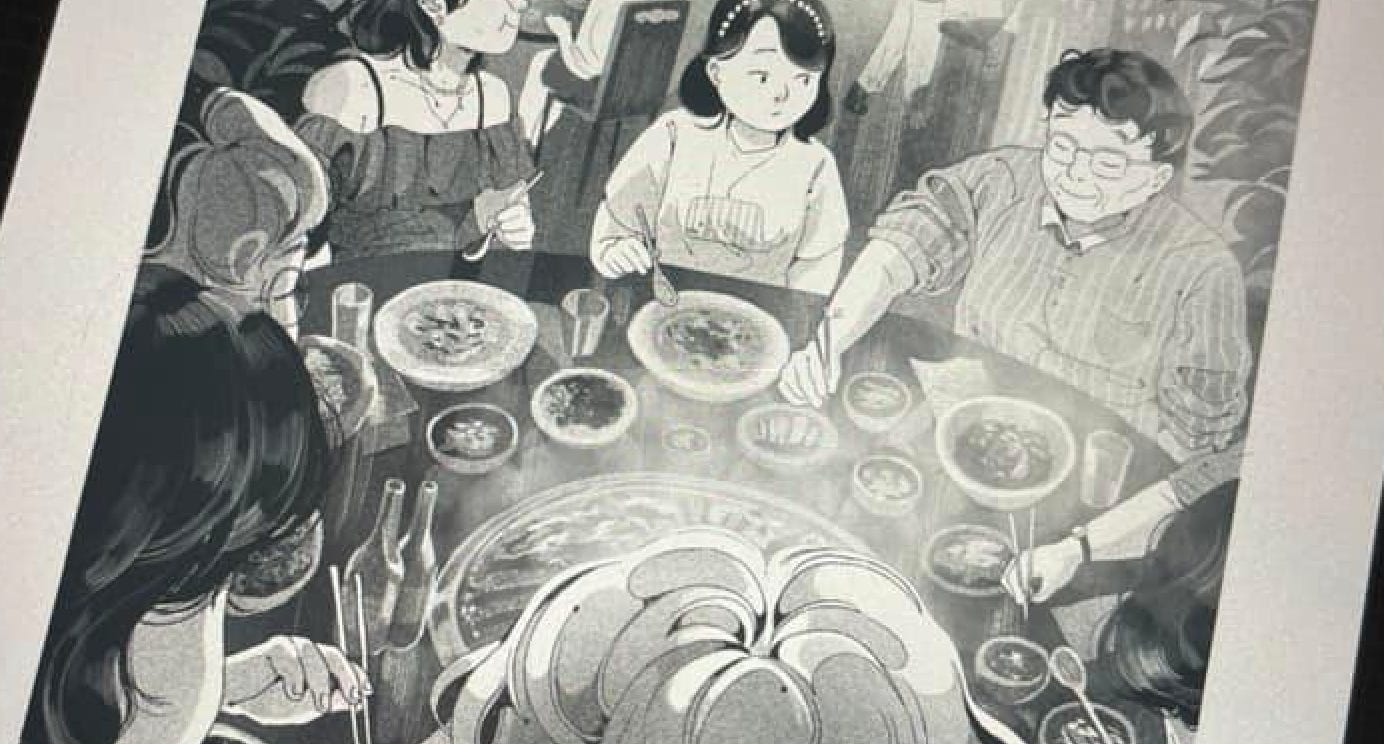
80% of my work was spent making In Limbo. Now that we finished restructuring the plot, I was rendering mode, completing one page a day. Where most cartoonists go from thumbnails, to pencils, to inks, to color, to final, I was working from thumbnails straight to final. I absolutely don’t recommend doing this, because I also found myself redoing the thumbnails completely before finalizing. Halfway through 2020, when the second graphic novel from Harper began, I would start the morning doing 5 pages of thumbnails for that one and then spend the rest of the day rendering an In Limbo page. (I’ll talk about my graphic novel process in a separate post)
Every now and then I’d get a freelance (usually editorial) job. They ranged from a $300-500 illustration to a $3000 nonprofit series of illustrations. To make sure I wasn’t compromising my book workflow, the majority of the weekend was spent working on those assignments.
I wasn’t getting regular gigs, so the money from my book deals and Lyft and lack of debt was keeping me alive. (Also did a bit of contracting for Lyft again that boosted my bank account one more time) I think a lot of these clients were either finding me on WomenWhoDraw, from social media, or from my cold emailing. I was taking whatever I could. If I only lived off doing pure illustration assignments, this would not be livable for the Bay Area. (The number did triple from 2019, which was a start!)
I really liked living in Oakland! Loved the plants, the reliably mild climate, walking around the lake (when no one was around) But I didn’t really have a community. And when my partner and I amicably parted ways, I decided to go to Brooklyn, instead of Pittsburgh like we planned originally.
There were several reasons for this. I had more friends, I missed the seasons, I was closer to home, and I would be living in the center of the industry (most publishers are in the NYC area) So I headed over in May 2021.
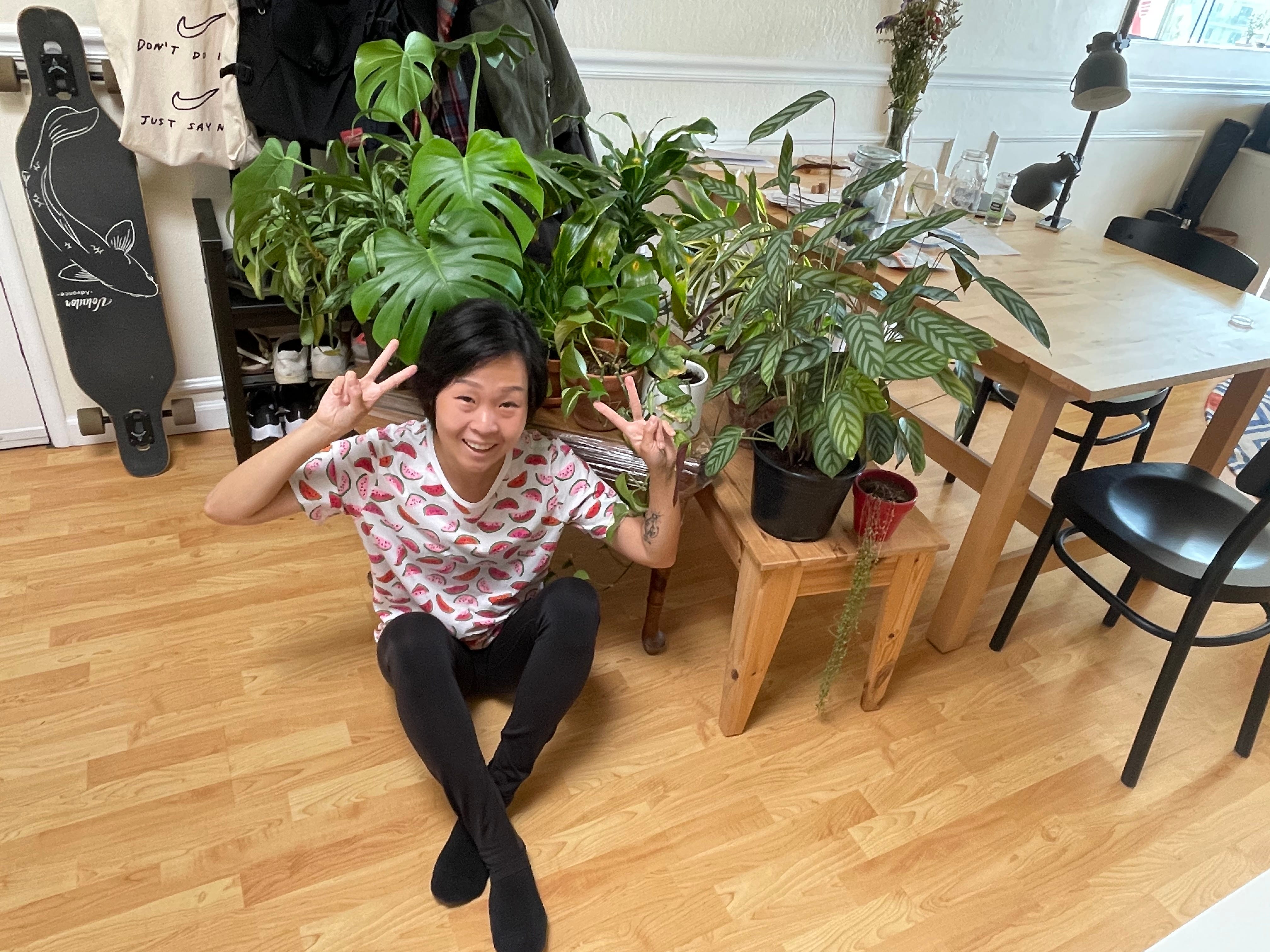
Costs were different then. My partner and I were paying $2200 for our one bedroom apartment. My Brooklyn apartment, a few blocks below Prospect Park, was $1600, in those bygone days of covid rent. (Today, in 2025, it is $2100, still lower than most 1 beds in the city)
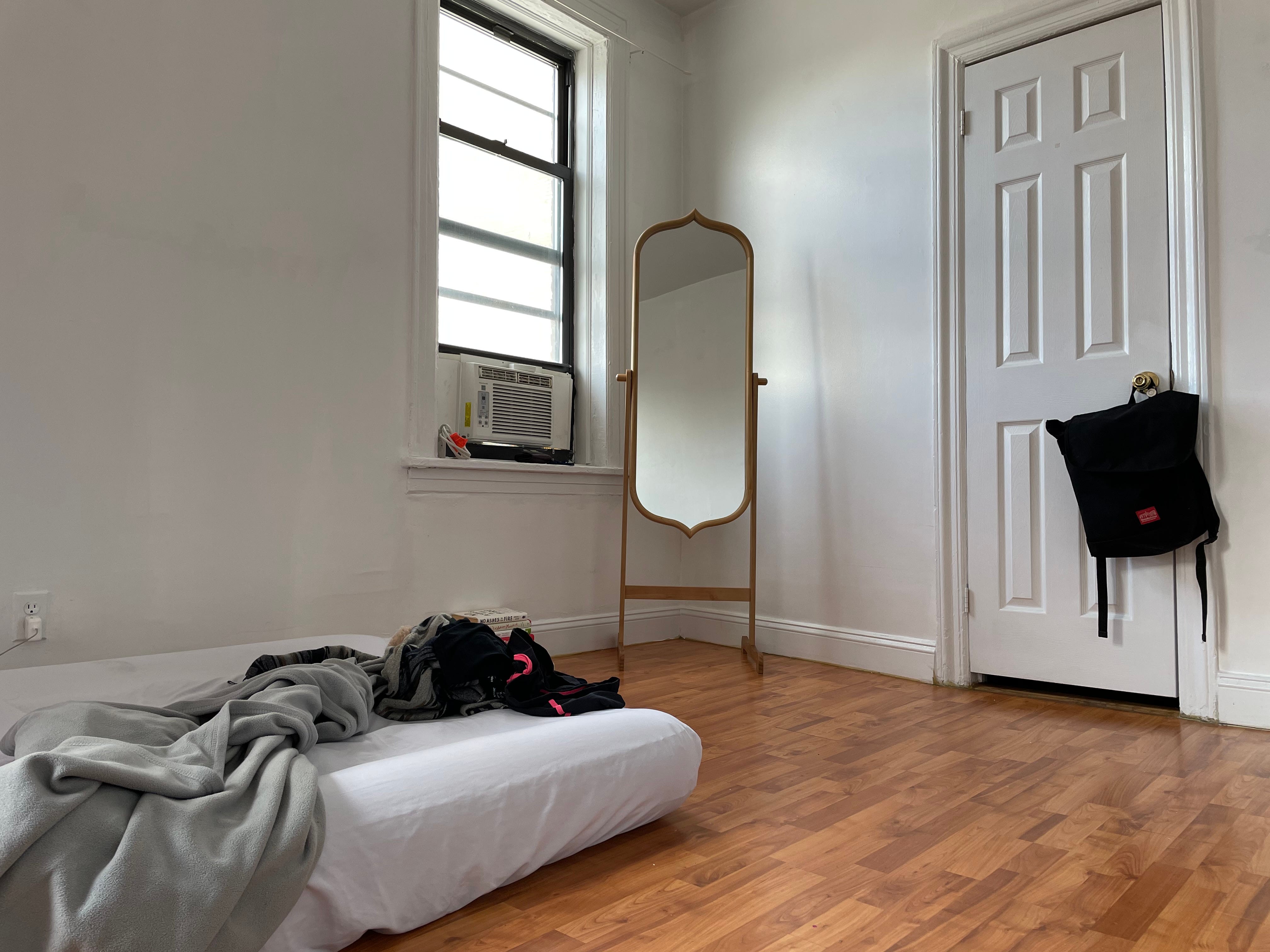
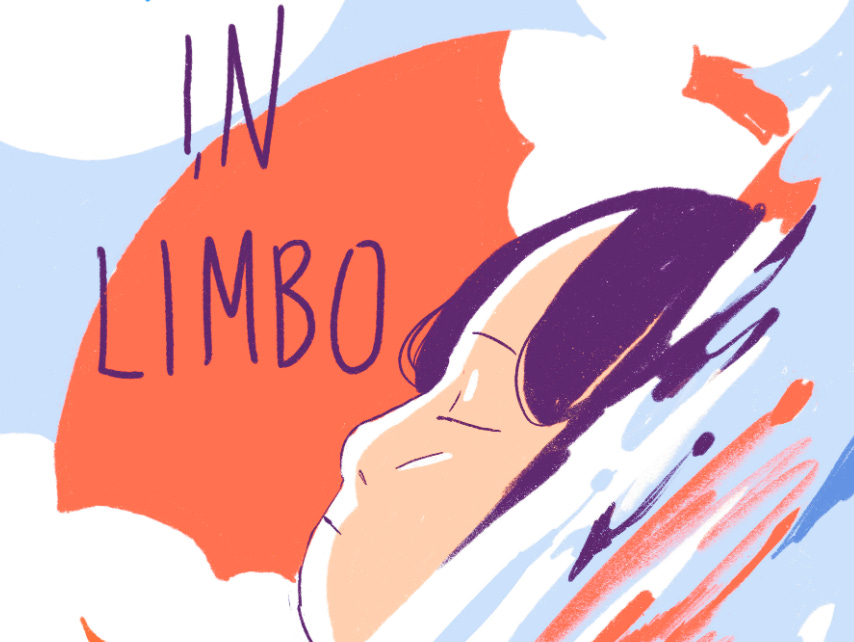
Because my stuff wouldn’t arrive for nearly two more months, and I was stubbornly waiting for my building to install Fios, I was stuck on a deflating air mattress without internet. Every morning I’d wake up and work on the floor on my iPad. If I needed wifi, I would go to a cafe. I distinctly remember working on the In Limbo cover from my air mattress, feeling ungrounded and procrastinating by playing Hades on my switch. At least once a day I’d walk or run around the park. It was my first time truly living alone in my adult life and I was figuring things out. After I got my furniture (albeit, some pieces were just missing and my monitor was broken), I finally settled in and got a cat
.
Over the three years I’d live in that apartment working on In Limbo and OSOT, I watched myself and my work grow. I was still getting editorial assignments.
My social media had a presence at the time, (nowhere near where I am right now, though). Every now and then a peer with a large following would share my work. On Twitter I’d make a few memes that spread like wildfire, which also drew attention to my stuff. (I feel like the former, where someone shares your work, is usually how it all starts to snowball eventually) Every now and then there was also #PortfolioDay and #VisibleWomen that boosted more eyes. (rip)
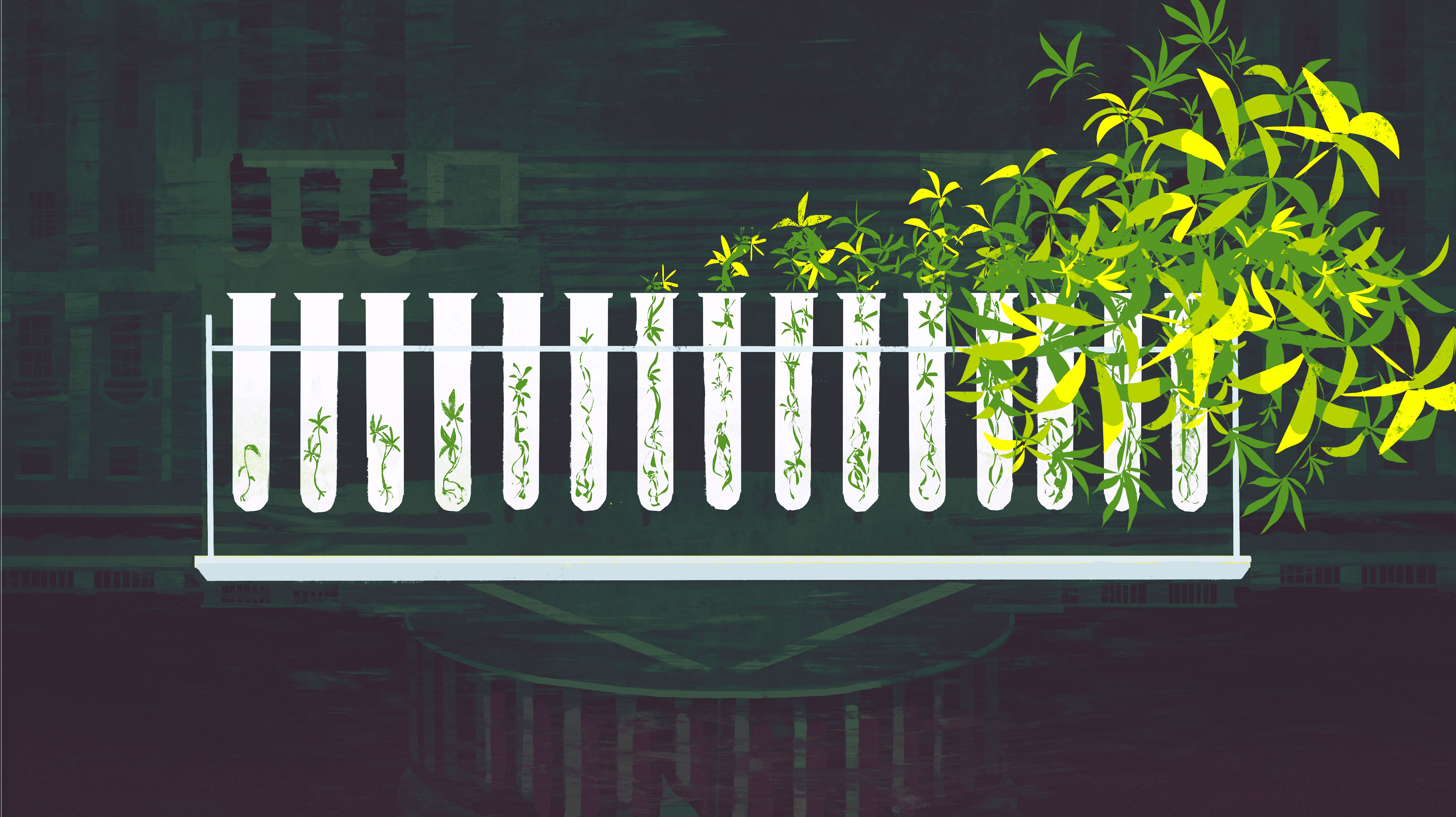
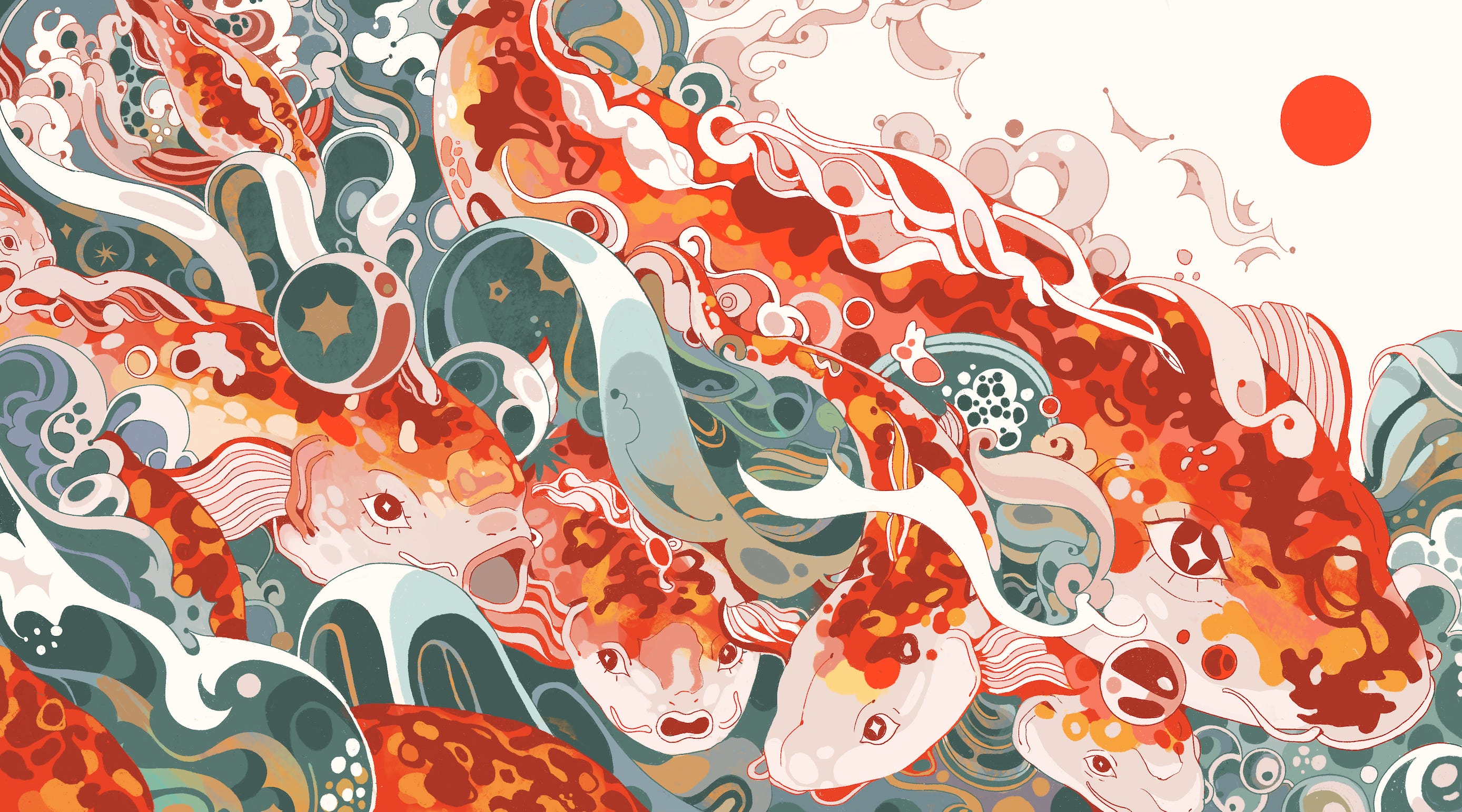
But I was still struggling to figure out *how* I like to draw. I knew I enjoyed detailed line work. And I liked to digitally paint and render things, though I noticed I always separated those techniques into different *styles* altogether. At that time, I always kept a system of layers (linework + fills and a variation of different colors) but I noticed I felt the need to always color within the lines (literally). Once I finished my line work, I wouldn’t let myself go back and change it even though a part of it might be off in retrospect. I stopped doing as much “abstract” rendering as I used to since I couldn’t figure out how to evolve. I went back to lines again since I stopped caring about looking like a knockoff Victo Ngai or James Jean.
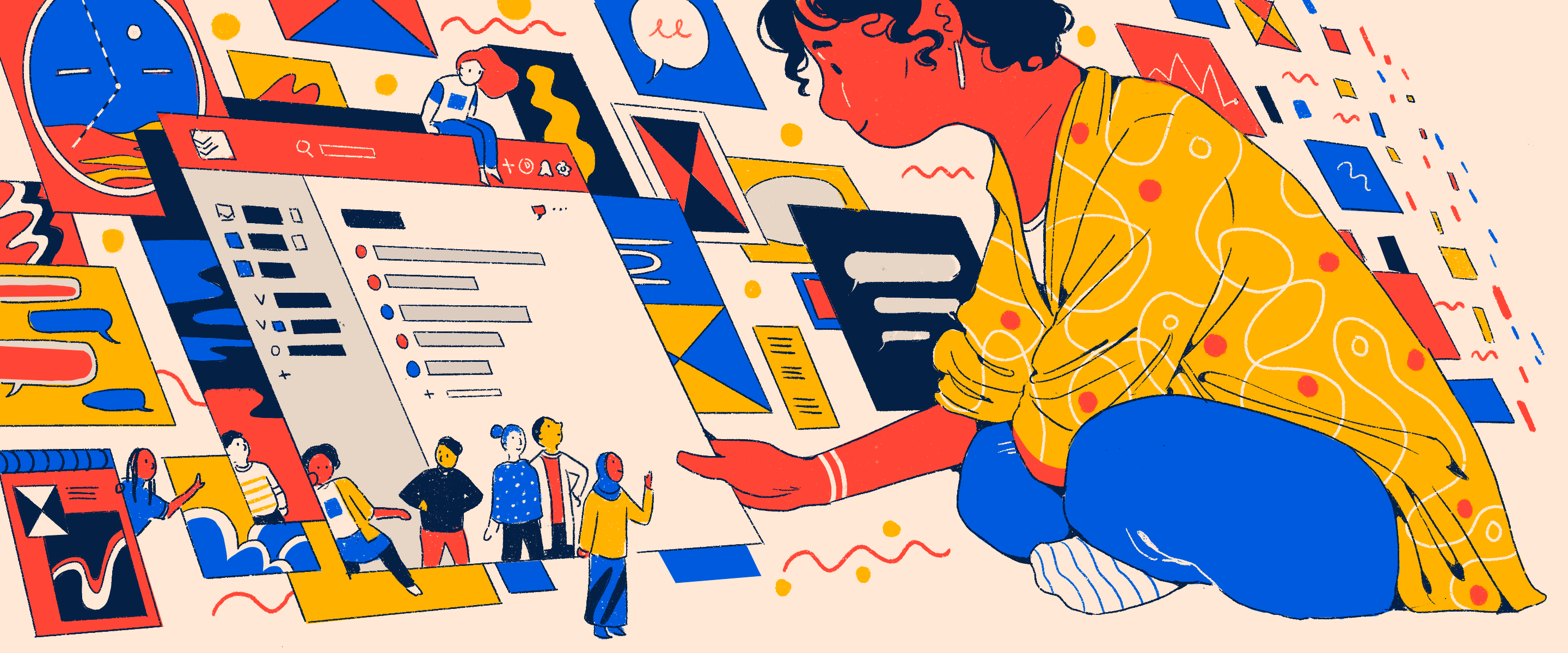
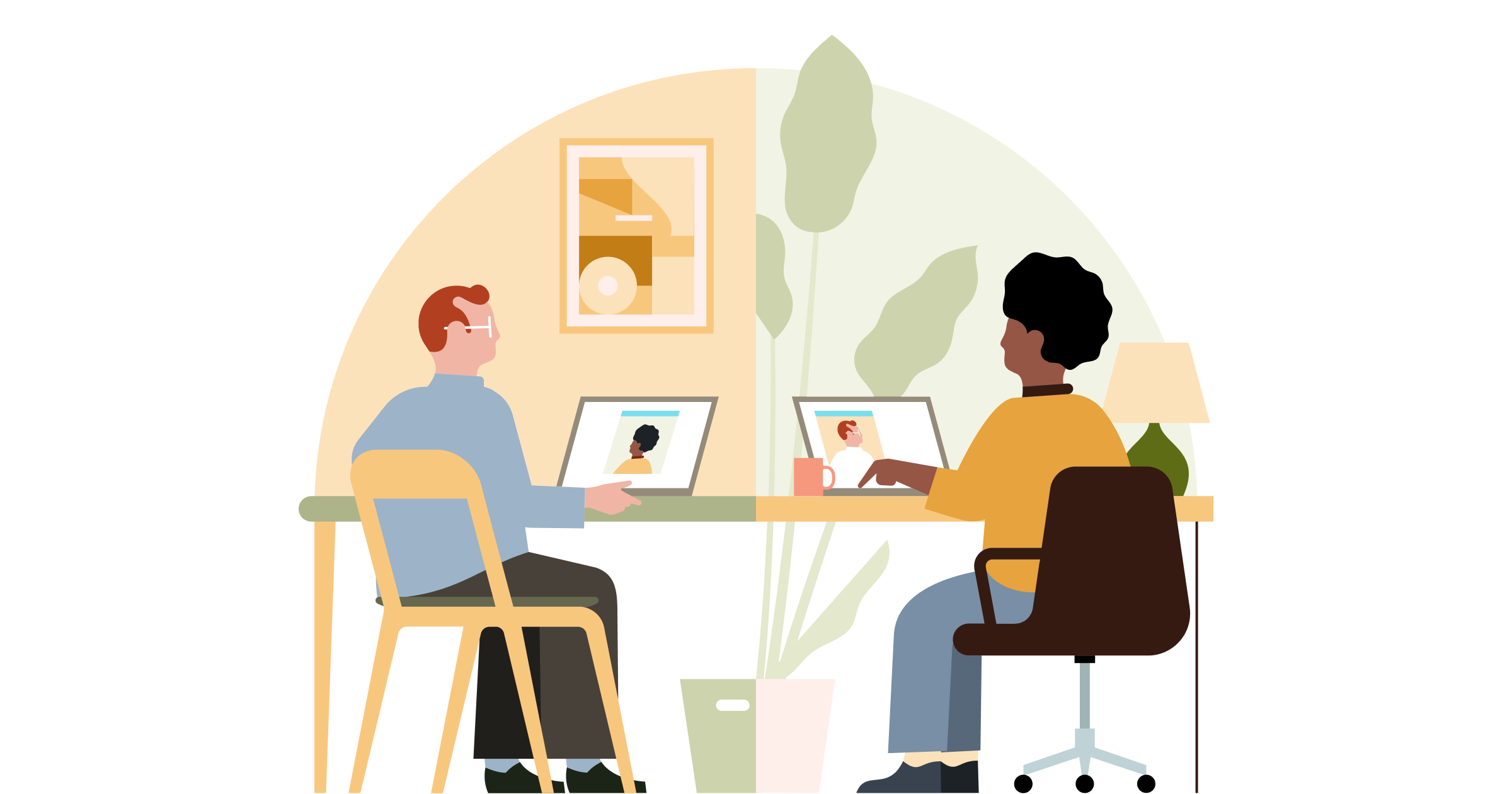
However would experiment doing both lines and painting every now and then. You can see it here for this Google Meet illustration.
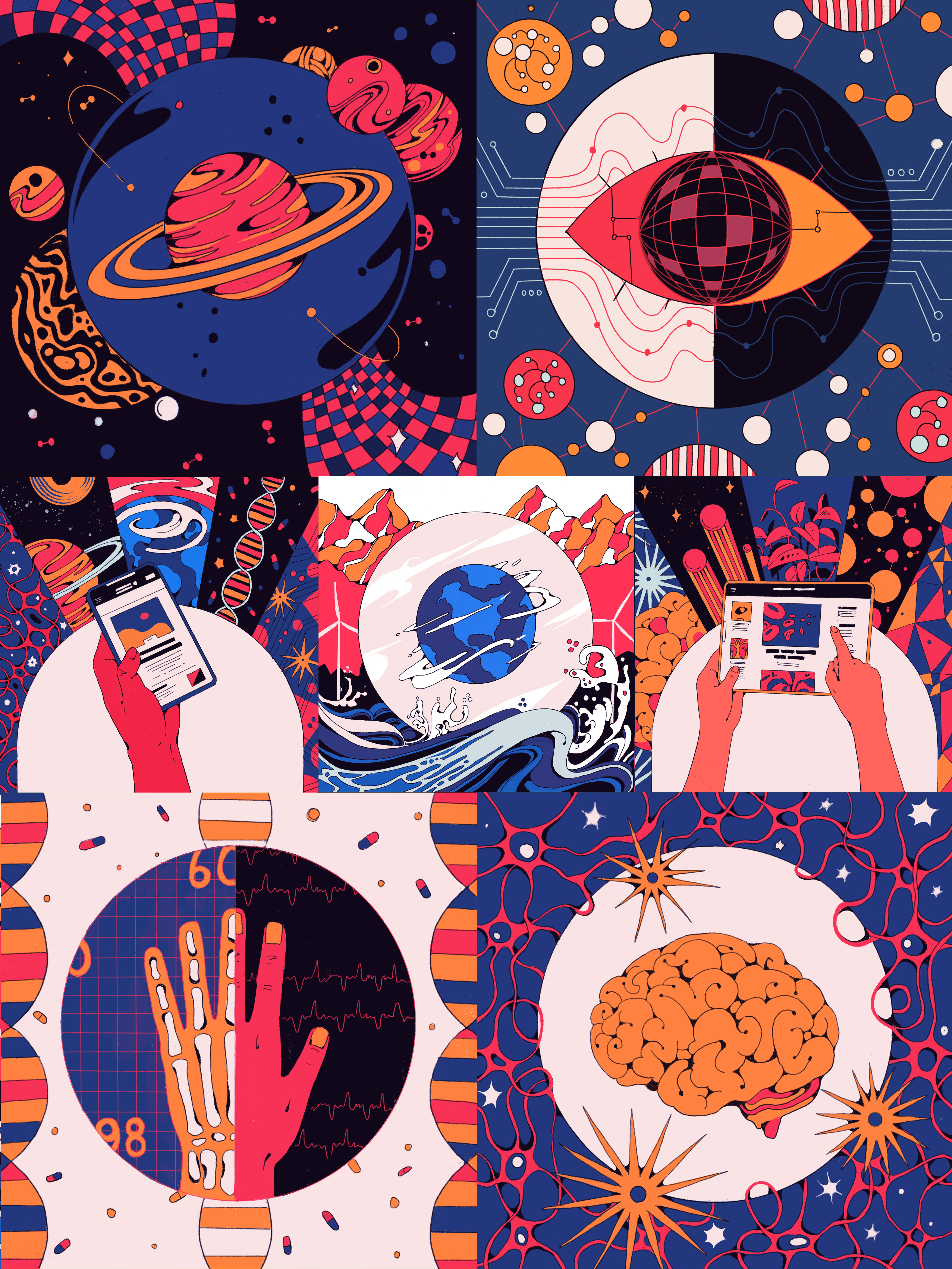
Eventually, I noticed my wrists started getting used to this pattern of curves, straight lines, and sharp angles. You can see it in this Scientific American illustration (more specifically, that brain)
The beginning of 2022, I made a very bold move where I replied to a sponsorship email from Domestika asking to teach instead of spreading affiliate codes. A few of my peers were making courses already and I was curious myself. Surprisingly, they were receptive to the idea.
It was around this time, maybe even a little before, that I saw a video about gradient mapping. Even though I was very new to it at the time, I started using it occasionally, even used it for my Domestika course. Coloring became more efficient and I realized that that method forced me to paint all on one layer. This was a great way to fuse the two ways I liked to draw (painting and making detailed linework). I became less afraid to “break the rules”. If a painted shape moves across a line, who cares?? And would it kill me to not outline a shape with a line?
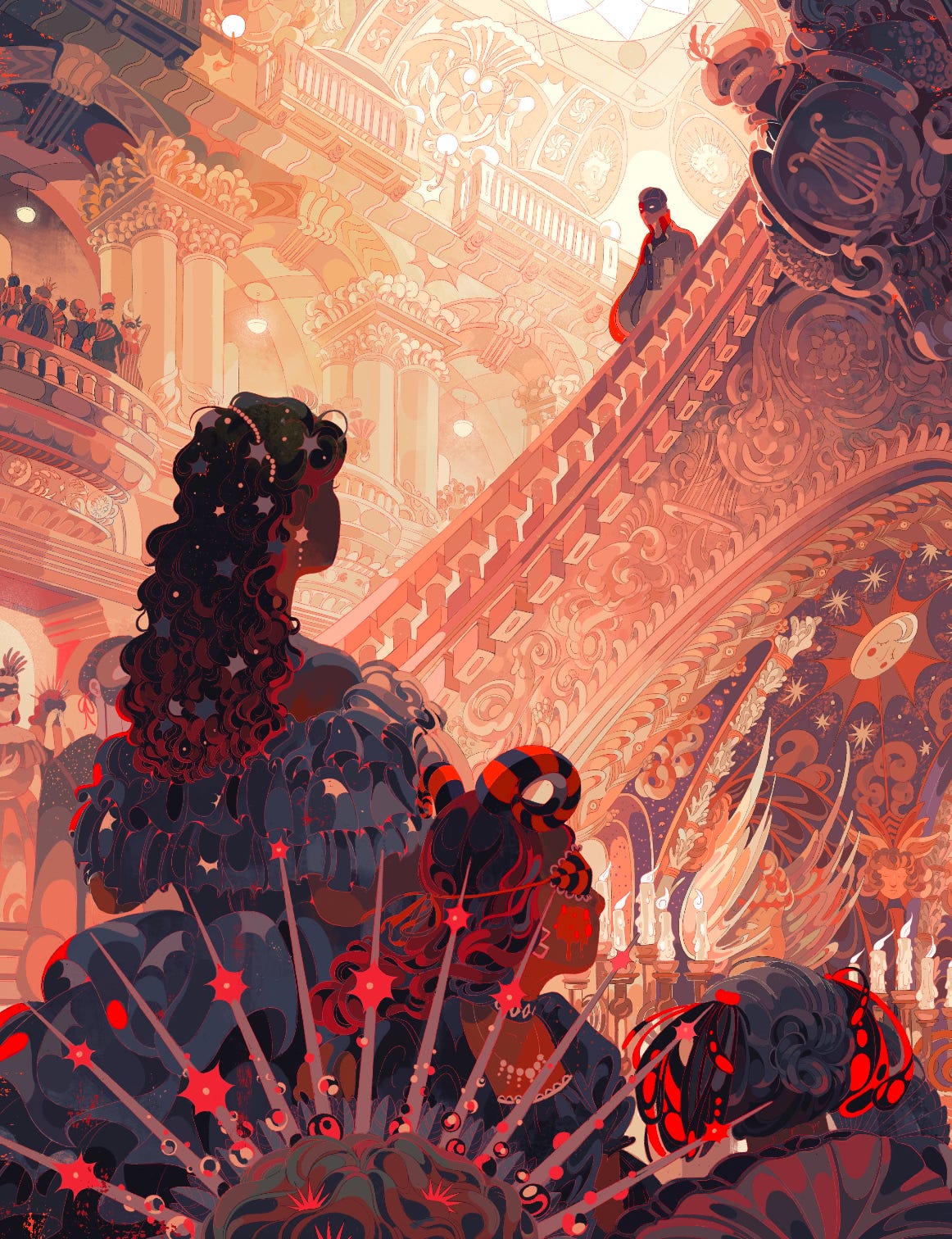
After it launched, I made the now-widely-seen reel/tiktok about using gradient maps for my Phantom of the Opera illustration. The illustration that went along with it went viral across all platforms and even a few years later, I get people in real life who recognize the drawing from that video, which always made the print popular at every event where I tabled. I truly think that was the first time I was put on the illustration industry’s radar, and that I was doing something right. Which wasn’t a problem, as this was a perfect blend of what I liked to do. Later, I noticed that I loved using circular compositions, which I attribute to my time at LinkedIn, where most of their illustrations used a circular motif.
After I posted more illustrations that used that way of drawing, I got more and more assignments in my inbox. Eventually, I was offered representation from an illustration agency (this is different from literary agencies and less common), ironically from one I submitted to back in 2018. I can say with full confidence that I didn’t have to send a cold email or any kind of self-promotion since; now it all was word-of-mouth from every client I worked with.
The first poster I made was also a personal project, around the time I decided to take myself to Paris as a reward for finishing In Limbo January 2022. Amélie is one of my favorite movies and I’m pretty sure, the first time I ever experimented with gradient maps for real.
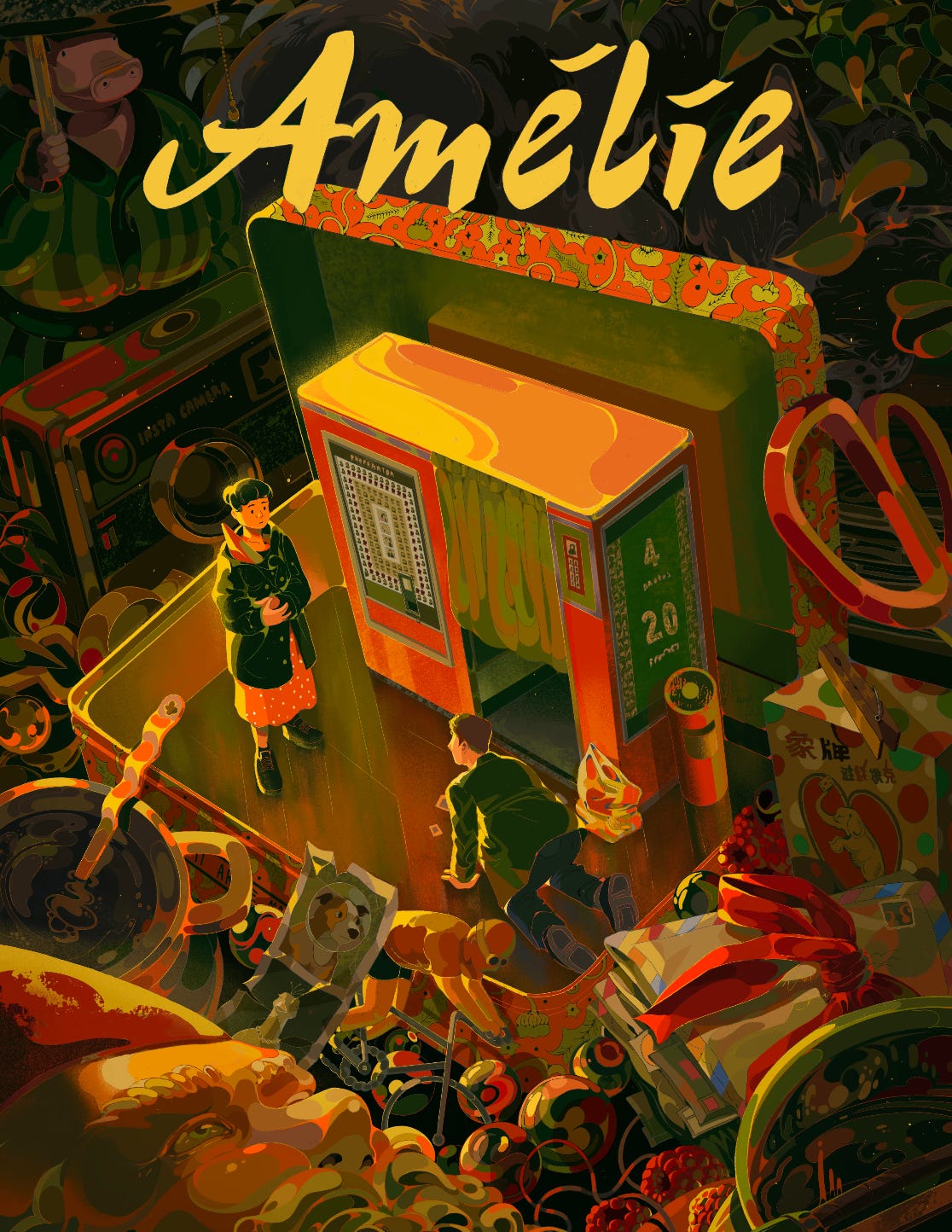
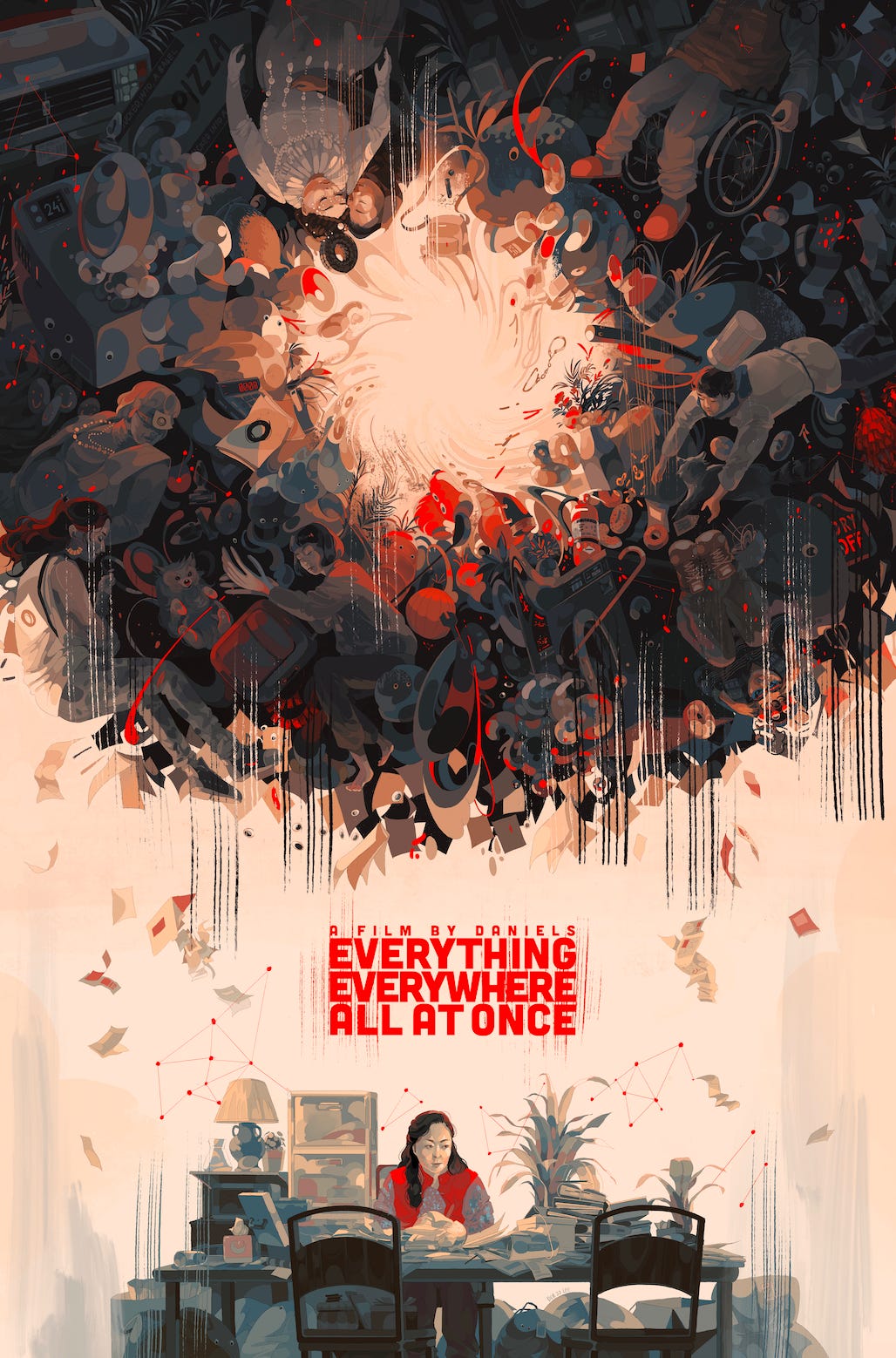
After I posted it, I got an email (Thanks Ryan M!) about doing a private commission for a posters group, preferably one of the show Mob Psycho 100. That led to another client, (Thanks Danny B!) who made another commission of Everything Everywhere All At Once, which blew up even more than my Phantom drawing. Even The Daniels retweeted the work in progress a couple times and it was perfect timing when the piece went viral again after the film won Best Picture at the Oscars a few months later.
This led to more and more poster projects from private groups, and eventually Mutant in 2024. (The Dune one went almost as viral as EEAAO, thanks Mitch and Eric!) I think 2023 was the first year where I made enough to know that freelance illustration is a sustainable career for myself)
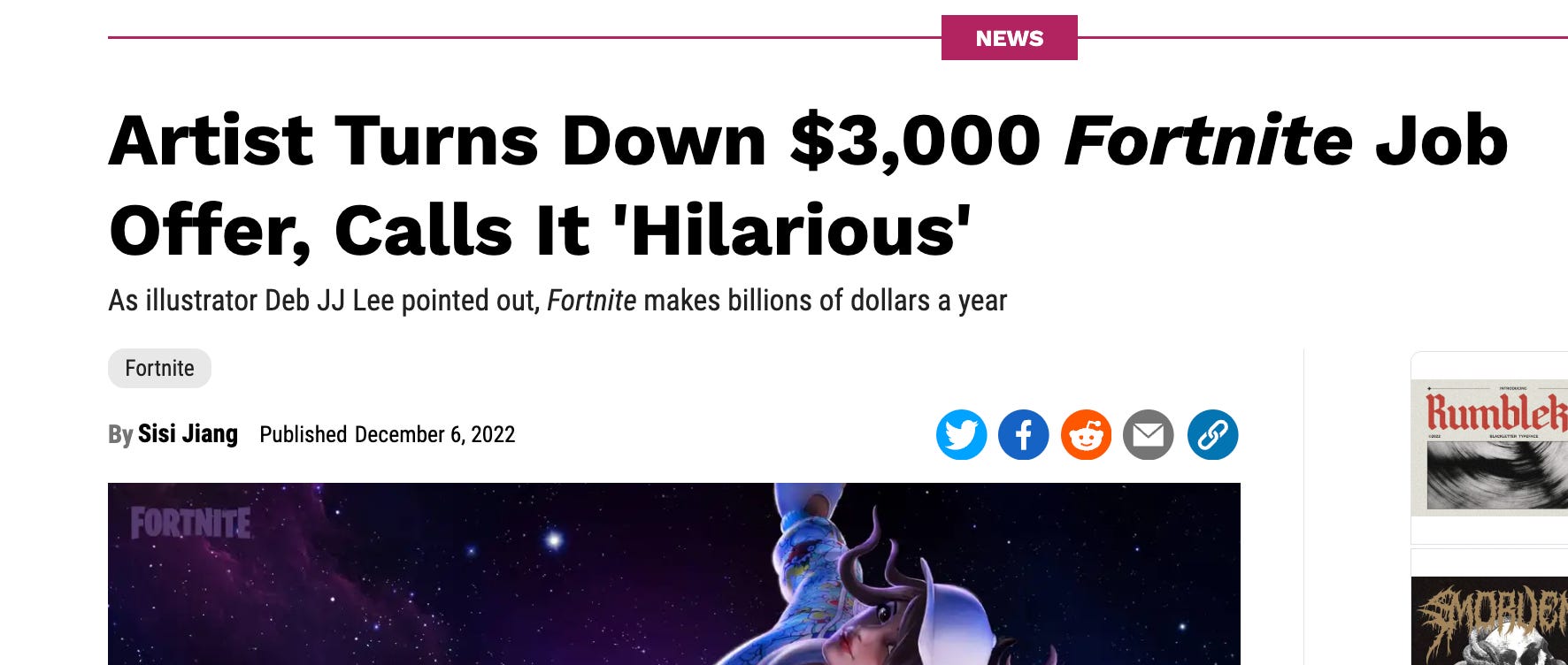
I think the other thing that boosted my presence in the industry was controversy. The end of 2022, when I was almost a year into working in my “style”, I became the center of art discourse when I called out Fortnite for underpaying their freelance artists for copyright. (Some assumed my career was over, but it actually ended up skyrocketing. It brought me more jobs :)) Which was wild, by the way. Opening up twitter and seeing someone you don’t know talking about you without saying your name is a surreal experience. Hobbyists and industry illustrators alike were debating about the ethics of mega corporations and my finger-pointing.
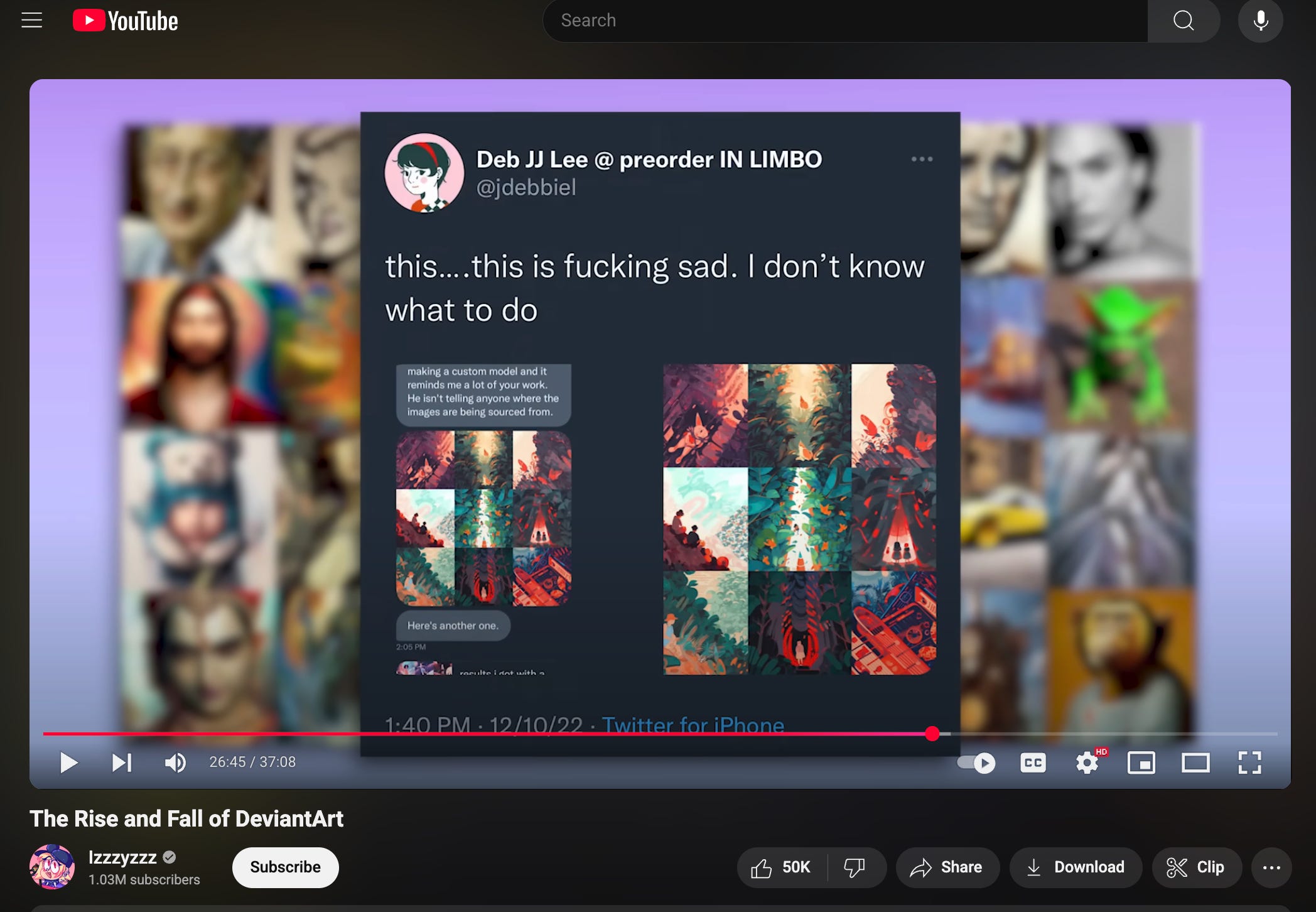
A week later as the noise died down, I landed that main character role again when I was notified that someone on Reddit was secretly using my work for their Stable Diffusion model. I assumed they found me through the Fortnite fiasco, for the story spread to places like 4chan, online news media, and even a Youtube video essayist I followed already. Once again, controversy boosted my career! If we’re talking numbers, I’m pretty sure my following nearly doubled.
After a few years of nonstop working, work temporarily dried up for the first time at the end of 2024. Whether it was due to the economy or a growing preference for Midjourney, I barely got any commercial work inquiries (this was a similar experience with fellow peers in the industry), which actually was a relief. The work you do for other people is never going to be your favorite, for they are paying for something that is derivative of your existing portfolio. Once money or a second party is attached to it, it was game over (at least it was for me).
So for the first time since 2022, I drew something for myself again, and I hope to keep it a higher priority from now on.
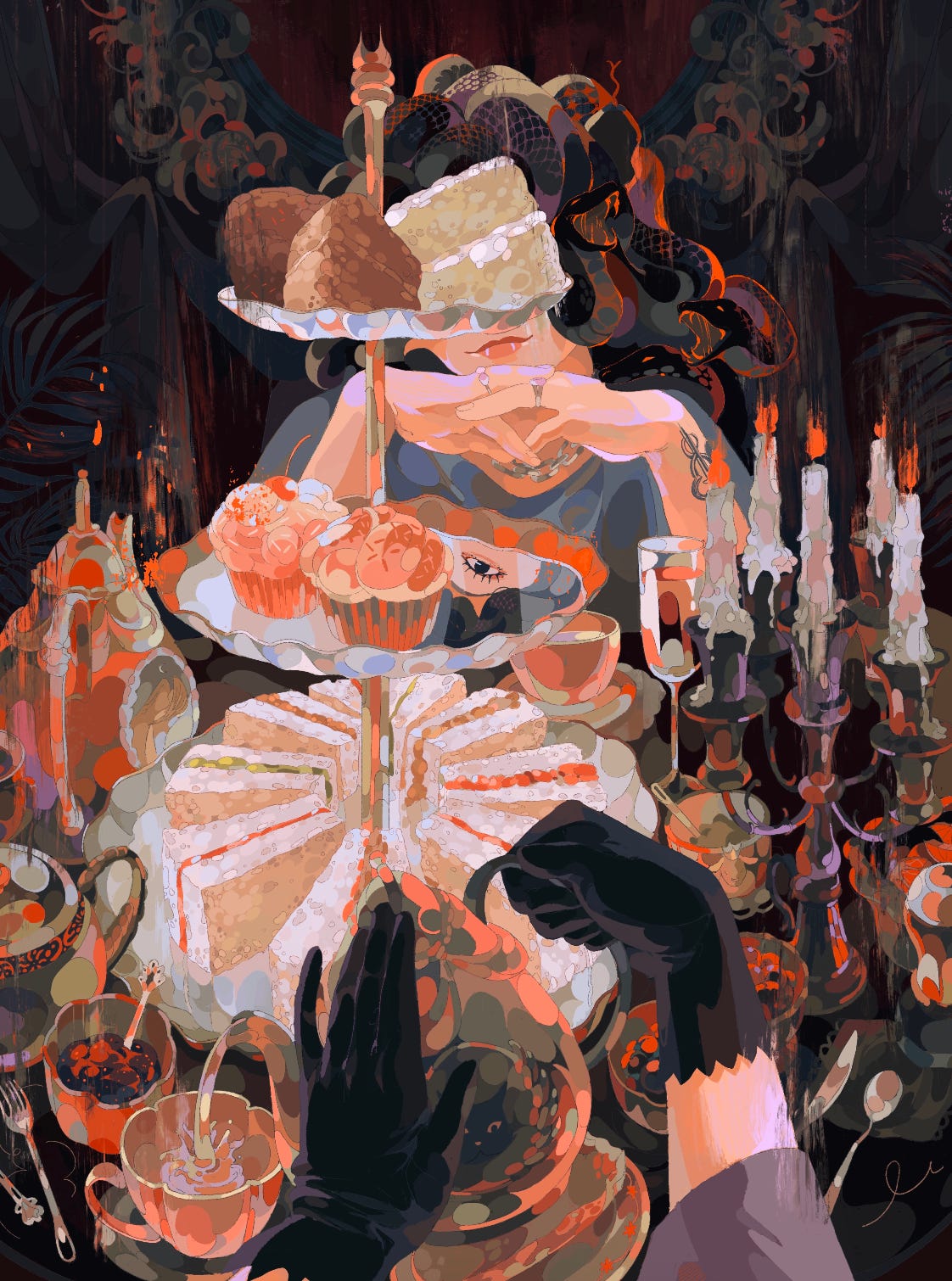
Ironically, I realize that working with freelance clients had similar pains to working in an office (different kinds of unfairness, but at least I get to go ice skating in an empty rink in the middle of a winter day or lie in grass, staring at the sky during the spring). Clients are unstable in not only inquiries, but also the way they treat their artists. They may never respond for two months and then come out of nowhere, expecting an answer within a day. They may strip artists’ credits the second the contract is up. They forget to press the “send” button in a feedback email for a day during a rush job and expect you to work faster as a result. (I will talk more about this in a separate post).
Now that I have a sufficient following, I have the privilege of creating my own work and selling them online as I please. This is a pivot I’m still working with, and I’m happy with what I can do now that I’m focused on only relying on myself. (While taking select freelance clients)
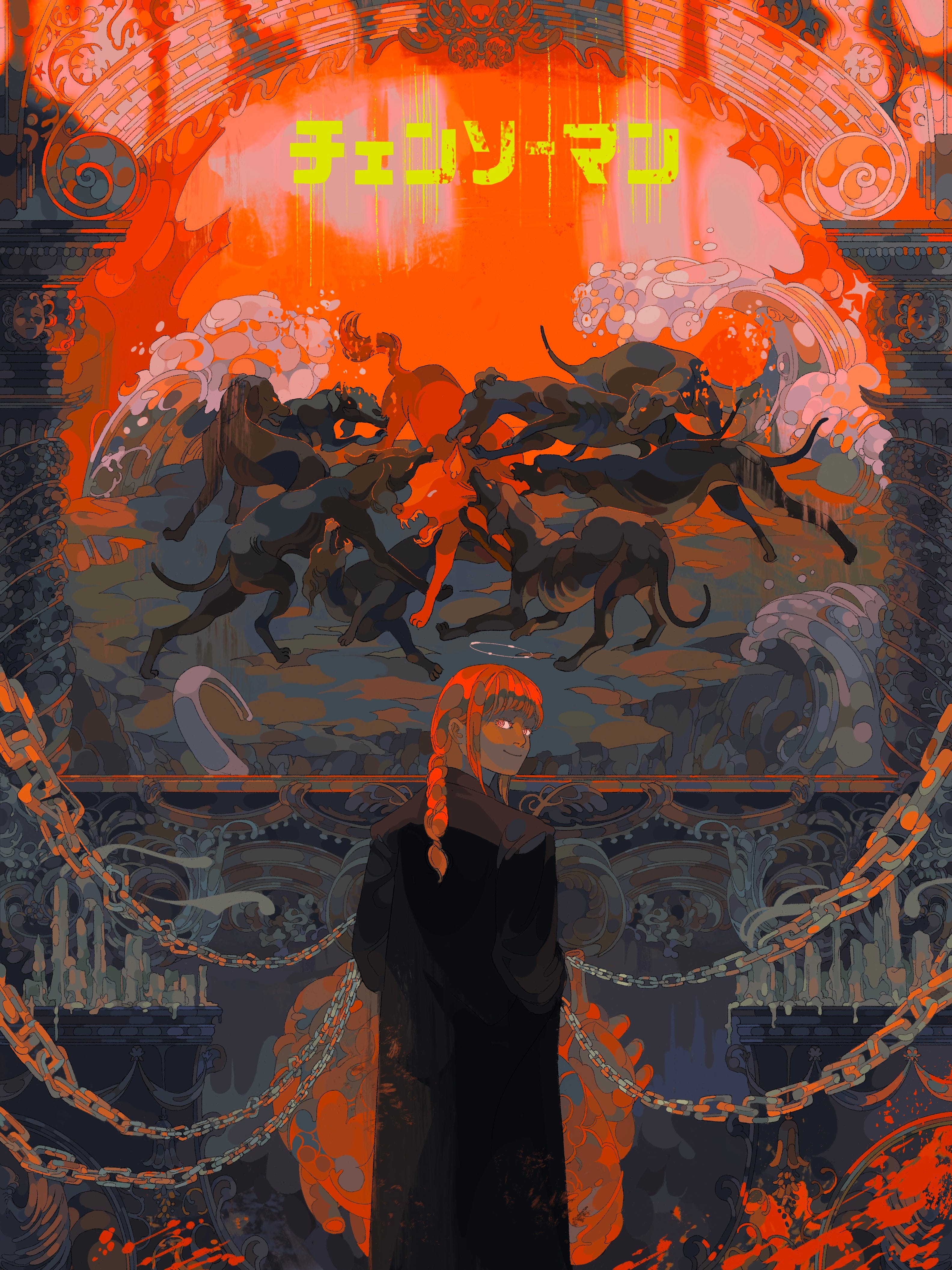
Now that we’re in the present day, I think this will be end of the actual “Illustration Journey” posts, but I still want to talk about publishing graphic novels, and what red flags to look for in clients. Thank you for reading all the way through. I really can’t believe I made it this far since taking an interest in this career, about eight years ago. Once again, if you had told me back then that this is where I’d be, I wouldn’t have believed you.
None of this would have been possible without the art and art-lover community. I can’t wait to show everyone what I have in the works. Thank you again!
<3 <3
Deb/Joey
This is Part 3.
The Phantom illustration/gradient map video was my first exposure to your work! It’s still one of my favorites. It’s really cool getting to read your experience during that time.
It was such a blast and interesting to read about your journey. As a longtime fan, there were some parts that I remember, especially the useful gradient map tool to the Fornite discourse and to that cursed AI plagiarist. But it was exciting to read about the other parts I was unaware of. You did a great job!